News Source: New Straits Times
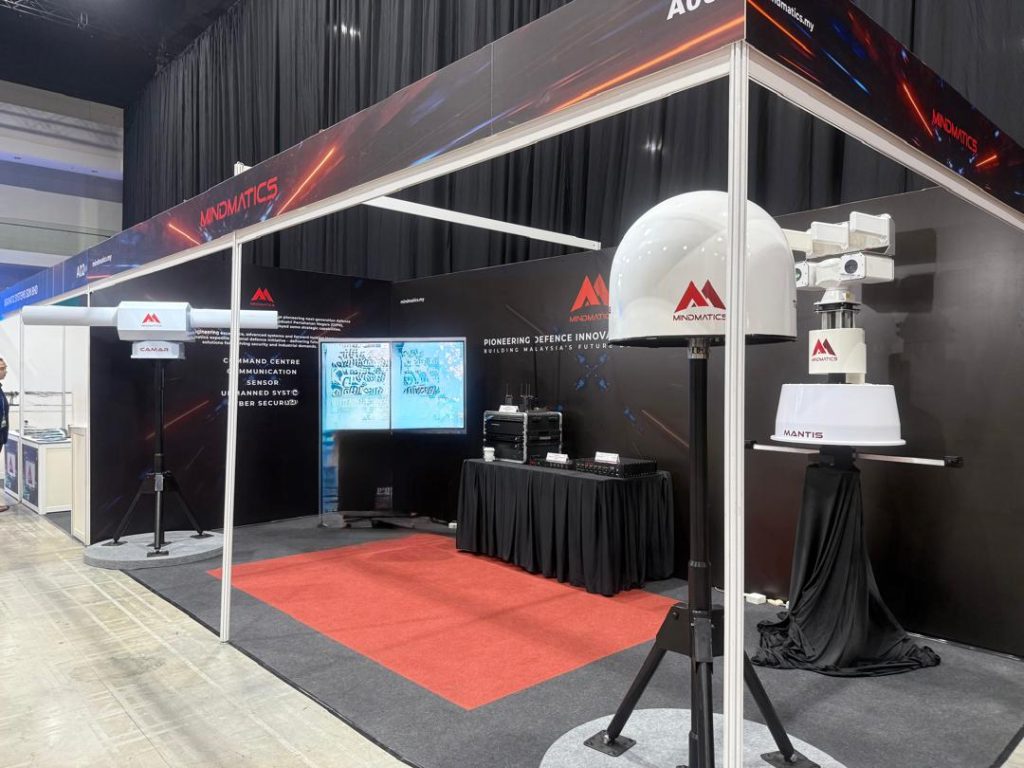
KUALA LUMPUR: Local defence firm Mindmatics Sdn Bhd is taking steps to ensure that the nation’s defence sector is prepared for emerging cybersecurity threats by adopting Post-Quantum Cryptography (PQC) encryption.
As such, the company has signed a memorandum of understanding (MoU) with the National Cyber Security Agency (NACSA) to develop and apply the technology in defence and security applications.
Under the agreement, the two parties will collaborate on implementing PQC-ready solutions, with Mindmatics contributing its expertise in defence electronics and secure communication systems.
The agreement was handed over between Mindmatics director Abdul Wahab Sulaiman and NACSA chief executive Dr Megat Zuhairy Megat Tajuddin, witnessed by the Chief Secretary to the Government Tan Sri Shamsul Azri Abu Bakar.
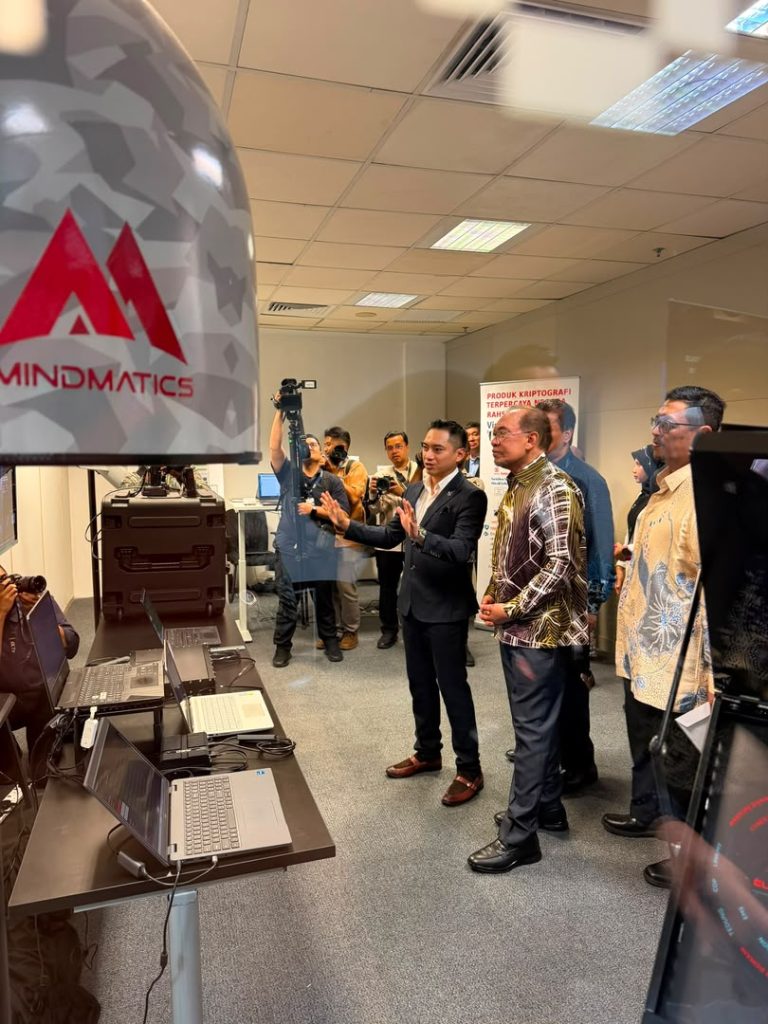
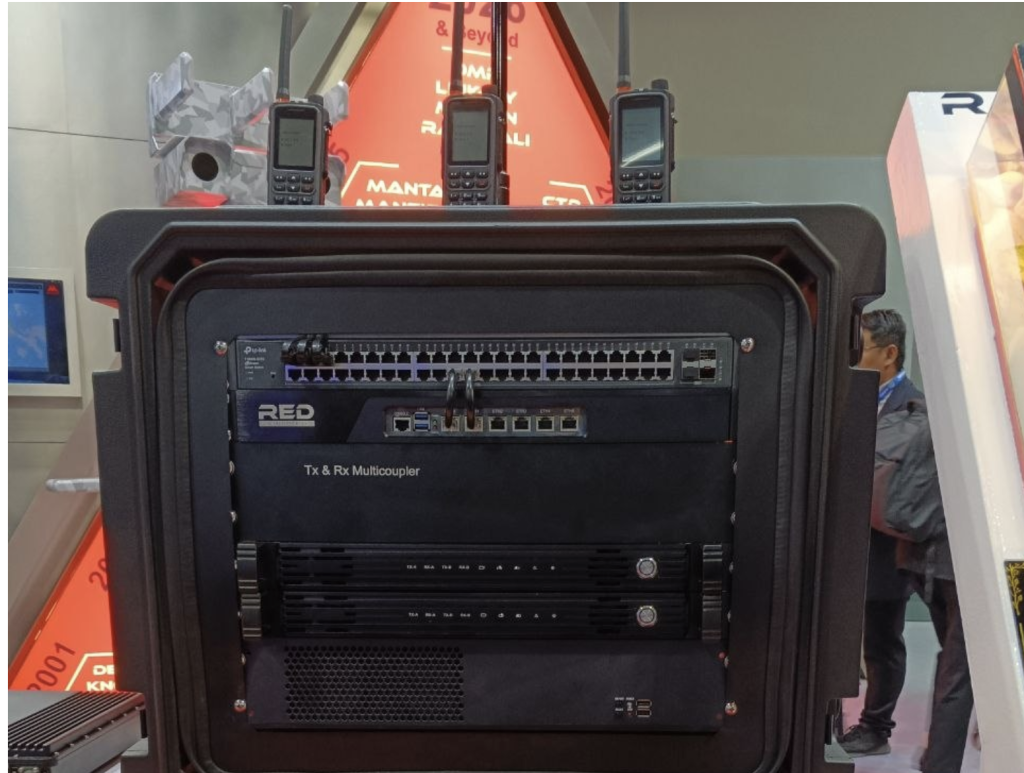
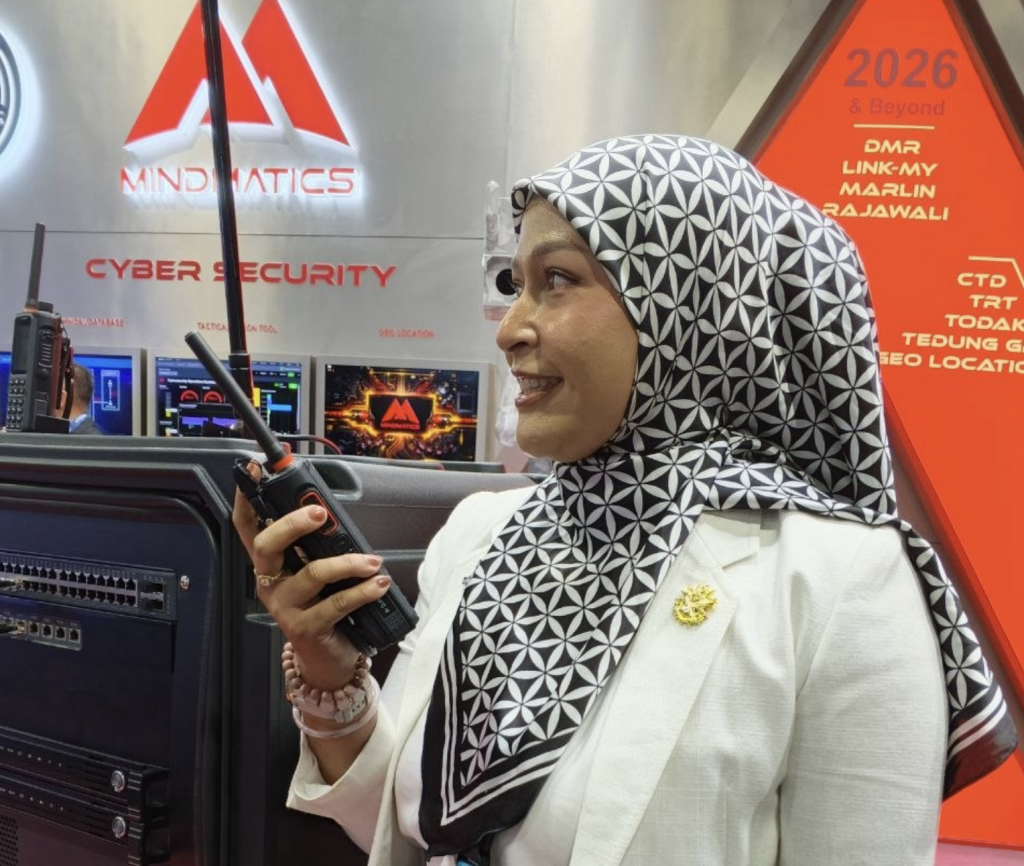
Wahab said the company has already integrated the PQC algorithm into its radio communication systems and rapid encryption devices.
“Everything that we do, which needs to be transferred back to headquarters, will be encrypted using our PQC algorithm.
“When quantum computers come into being, all our current algorithms could potentially be broken. We need to prepare for that by developing specific crypto algorithms,” he said when met at the signing of the agreement at the sidelines at the Universiti Putra Malaysia (UPM) International Conference and Exhibition on Post-Quantum Cryptography (ICE-PQC) 2025, here recently.
PQC is defined as a new type of encryption developed to stay secure even when quantum computers become powerful enough to break today’s conventional security algorithms.
It ensures long-term protection of sensitive data and communications.
Wahab said Mindmatics was among the few local companies pioneering PQC solutions in the defence sector.
“While international bodies often rely on their own encryption systems, Mindmatics is implementing the CAS algorithm developed locally by UPM. This allows us to maintain local capability while ensuring our technology meets international standards,” he said, adding that the collaboration with NACSA will help provide solutions for the government.
Wahab added that the broader benefits of the partnership, include strengthening Malaysia’s data security and positioning the country alongside nations already adopting next-generation encryption technologies.
“This technology helps prevent infiltration by malicious actors, and it also positions us to meet the standards required by international organisations,” he said.
Wahab said Mindmatics was committed to developing local cybersecurity expertise rather than solely relying on foreign technology.
“We don’t just want to be users in this space. We aim to be one of the technology providers. This MoU with NACSA is a step towards that goal and our aspiration to become a global player,” he said.
Meanwhile, Shamsul said in his officiating speech that the era of quantum computing was no longer speculative, and every nation faced the challenge of protecting critical systems, infrastructure and citizen data as current cryptography becomes obsolete.
“For Malaysia, this is not an abstract question. It is a national imperative to ensure that our digital advancement progresses securely, confidently, and resiliently.
“Thus, through recent Budget 2025, the government has allocated RM25 million to UPM to establish Malaysia Cryptology Technology and Management Centre in collaboration with NACSA to advance quantum computing and AI readiness in facing increasingly complex cybersecurity threats,” he said.
This initiative, he said, reflected the nation’s firm commitment to digital sovereignty and to strengthening cybersecurity against the era of quantum computing.
By Fuad Nizam